
Introduction
Scrambled eggs are a breakfast staple, loved by many for their simplicity and rich, creamy texture. Whether you’re looking for a quick and easy meal to start your day or want to elevate your brunch menu, scrambled eggs are versatile, satisfying, and incredibly easy to prepare. This Scrambled Eggs Recipe will guide you through the steps to achieve the perfect scrambled eggs: fluffy, soft, and creamy. With just a few simple ingredients and some helpful techniques, you’ll be able to make a plate of scrambled eggs that will leave you craving more.
Perfect for:
- Breakfast or Brunch
- Quick weeknight dinners
- Meal prep for the week
- Family gatherings
- A protein-packed snack
Why You’ll Love This Scrambled Eggs Recipe
Here’s why this Scrambled Eggs Recipe will become your go-to for a delicious and comforting meal:
- Soft and Fluffy Texture: The key to perfect scrambled eggs is to cook them slowly, allowing them to stay soft and fluffy. This recipe will ensure that every bite is creamy and tender.
- Quick and Easy: Scrambled eggs are one of the quickest meals to prepare. You only need a few ingredients and just a few minutes of cooking time.
- Customizable: You can add vegetables, herbs, cheese, or even halal-friendly meats to make your scrambled eggs as simple or as fancy as you like.
- Healthy and Nutritious: Eggs are a great source of protein, vitamins, and minerals, making them an excellent choice for a nutritious start to the day.
- Halal-Friendly: This recipe is 100% halal, with no pork, bacon, wine, or alcohol. It’s perfect for everyone in the family, regardless of dietary preferences.
Preparation and Cooking Time
- Total Time: 10 minutes
- Preparation Time: 3 minutes
- Cooking Time: 7 minutes
- Servings: 2-3 servings
- Calories per serving: Approximately 200-250 calories
- Key Nutrients: Protein: 13g, Carbs: 2g, Fat: 18g
Ingredients
To make perfect scrambled eggs, you will need the following ingredients:
- 4 large eggs (fresh, preferably organic or free-range)
- 2 tablespoons unsalted butter or olive oil (for a healthier alternative)
- 2 tablespoons whole milk or cream (optional for extra creaminess)
- Salt, to taste
- Freshly ground black pepper, to taste
- Fresh herbs like chives or parsley (optional, for garnish)
- 1 teaspoon garlic powder or onion powder (optional, for extra flavor)
- A pinch of paprika or chili flakes (optional, for a little kick)
Ingredient Highlights
- Eggs: The main ingredient in scrambled eggs, eggs are packed with protein, healthy fats, and a range of vitamins and minerals. Fresh, high-quality eggs will produce the best results.
- Butter/Oil: Butter adds richness and a slight sweetness to the eggs, but olive oil can be used for a lighter, healthier alternative. Both provide the necessary fat to cook the eggs smoothly.
- Milk or Cream: Adding milk or cream makes the eggs extra creamy, although this is optional. You can omit this step for fluffier eggs if you prefer.
- Salt and Pepper: These basic seasonings elevate the flavor of the eggs. Adjust them according to your taste.
- Herbs and Spices: Adding fresh herbs like chives or parsley gives the eggs a fresh, aromatic flavor. Garlic or onion powder, paprika, or chili flakes can add extra flavor and depth.
Step-by-Step Instructions for Scrambled Eggs Recipe
Follow these easy steps to prepare your Scrambled Eggs:
Step 1: Whisk the Eggs
- Crack the Eggs: Crack the eggs into a medium-sized mixing bowl. Make sure there are no bits of shell in the bowl.
- Whisk: Using a fork or a whisk, beat the eggs until the yolks and whites are fully combined. The more you whisk, the fluffier your scrambled eggs will be. Whisk until the mixture is smooth and slightly frothy, and the eggs are light in color.
Step 2: Prepare the Pan
- Heat the Pan: Place a non-stick skillet or frying pan over low to medium-low heat. It’s important to cook scrambled eggs slowly, so using low heat will give you the best results. A non-stick pan helps the eggs cook evenly and prevents sticking.
- Add Fat: Once the pan is warm, add the butter or olive oil. Allow it to melt and coat the bottom of the pan. Make sure the fat is not bubbling or sizzling—this could mean the heat is too high.
Step 3: Cook the Eggs
- Add the Eggs: Pour the beaten eggs into the pan, making sure the mixture is spread evenly. Let the eggs sit for a few seconds to begin setting.
- Stir Gently: Using a spatula, gently stir the eggs in the pan. Begin from the outer edges of the pan and slowly push the eggs toward the center. This helps create soft curds and prevents the eggs from becoming overcooked or dry.
- Cook Slowly: Continue to gently stir and cook the eggs, letting them rest for a few seconds between stirs. Be patient and keep the heat low—this is the key to creamy scrambled eggs. The eggs should take around 5-7 minutes to cook through, but this can vary depending on your stove and pan.
- Season: When the eggs are almost cooked through but still slightly runny, season them with salt, pepper, and any optional herbs or spices. Stir gently to combine.
Step 4: Serve the Scrambled Eggs
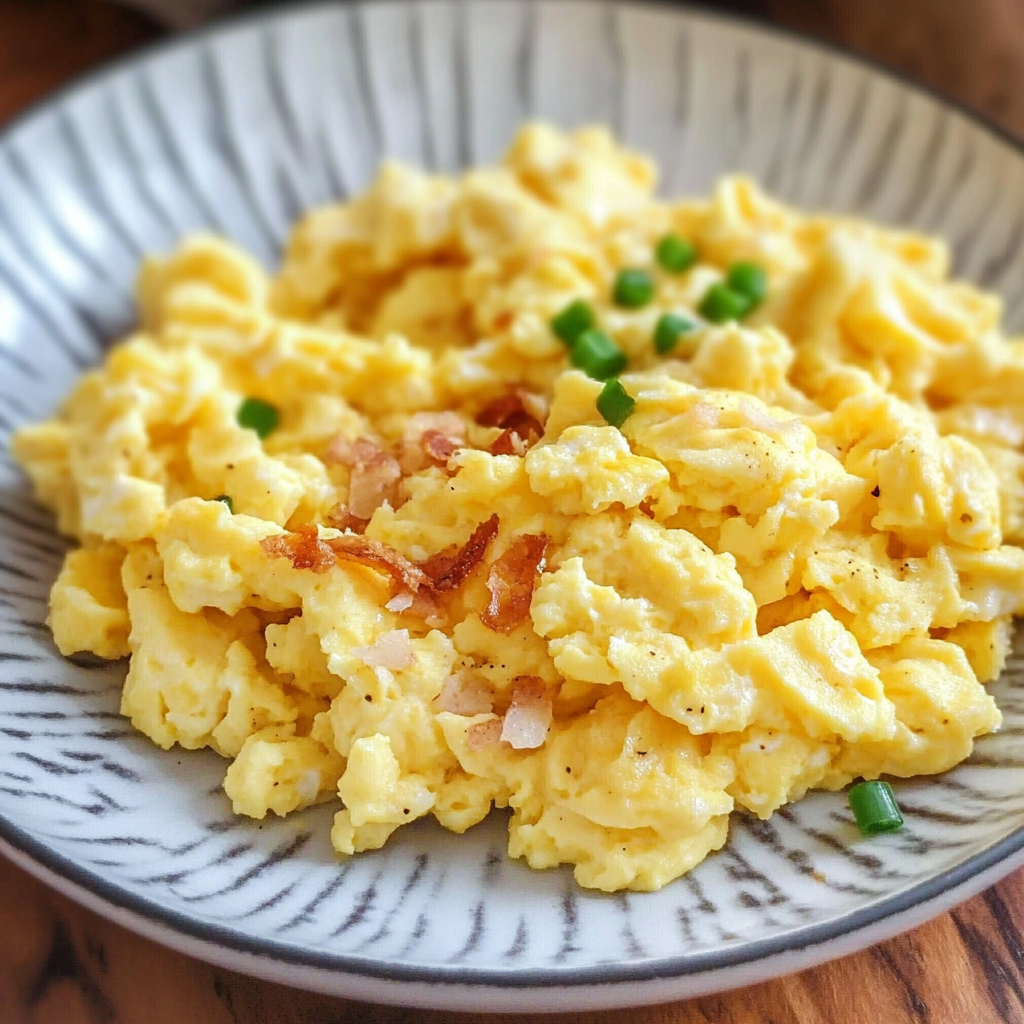
- Final Touches: Remove the scrambled eggs from the pan just before they’re fully set. They will continue to cook from the residual heat in the pan. The eggs should be soft, fluffy, and slightly creamy.
- Garnish: If desired, sprinkle with fresh herbs, such as chives or parsley, for a burst of color and flavor.
Step 5: Enjoy Your Scrambled Eggs!
Serve your scrambled eggs immediately, either on their own or alongside your favorite breakfast items like toast, sautéed vegetables, or halal sausages. These eggs are perfect for pairing with a refreshing glass of orange juice or a warm cup of coffee or tea.
How to Serve Scrambled Eggs Recipe
Scrambled eggs are incredibly versatile and can be served in various ways to complement your breakfast or meal:
- With Toast: Scrambled eggs on a slice of buttered toast are a classic combination. Add some avocado or tomato slices for extra flavor and nutrition.
- In a Breakfast Burrito: For a portable breakfast, wrap the scrambled eggs in a whole-wheat tortilla with some cheese, salsa, and fresh herbs.
- With Vegetables: Serve your scrambled eggs with sautéed spinach, mushrooms, tomatoes, or roasted peppers to add extra nutrients and flavor.
- As Part of a Brunch Spread: Scrambled eggs make an excellent addition to a brunch table alongside other dishes like pancakes, fruit salads, or smoothies.
- With Cheese: For a creamy, rich touch, stir in shredded cheese like cheddar, feta, or mozzarella toward the end of cooking for a cheesy scramble.
Additional Tips for Scrambled Eggs Recipe
Here are some helpful tips to make your scrambled eggs even better:
- Use Fresh Eggs: Fresh eggs will yield the best texture and flavor. Make sure the eggs are at room temperature before cooking, as this helps them cook more evenly.
- Low and Slow: Cooking scrambled eggs over low heat is key to achieving a soft, creamy texture. Don’t rush the process—give them time to cook gently.
- Avoid Overcooking: The eggs should be soft and slightly runny when you remove them from the pan. Overcooked eggs can become dry and rubbery, so take them off the heat just before they’re fully set.
- Use Non-stick Cookware: A non-stick pan makes cooking scrambled eggs much easier, preventing sticking and making cleanup a breeze.
- Experiment with Add-ins: Add different flavorings like garlic, onions, spinach, cheese, or even halal sausage for variety and added nutrition.
Recipe Variations of Scrambled Eggs Recipe
Here are 10 variations of scrambled eggs that you can try to mix things up:
- Cheese Scrambled Eggs: Stir in shredded cheese like cheddar, mozzarella, or feta for a creamy, cheesy twist.
- Herbed Scrambled Eggs: Add fresh herbs such as parsley, chives, dill, or thyme for an aromatic flavor.
- Mushroom Scrambled Eggs: Sauté mushrooms and fold them into your scrambled eggs for a savory, earthy flavor.
- Spinach Scrambled Eggs: Stir in some fresh spinach leaves during the final stages of cooking for added greens.
- Avocado Scrambled Eggs: Top your scrambled eggs with mashed avocado and a sprinkle of chili flakes for a creamy and spicy version.
- Halal Sausage Scrambled Eggs: Add crumbled halal sausage to your scrambled eggs for a hearty, meaty breakfast.
- Tomato Scrambled Eggs: Add chopped fresh tomatoes to the eggs as they cook for a burst of freshness and flavor.
- Smoked Salmon Scrambled Eggs: Gently fold in some smoked salmon pieces for a luxurious, ocean-fresh version of scrambled eggs.
- Spicy Scrambled Eggs: Add a pinch of cayenne pepper or chili flakes to your eggs for a spicy kick.
- Sweet Scrambled Eggs: Add a dash of cinnamon and a teaspoon of honey or maple syrup for a sweet version of scrambled eggs, perfect for breakfast or dessert.
Freezing and Storage for Scrambled Eggs Recipe
- Freezing: Scrambled eggs don’t freeze very well because of their delicate texture. It’s best to enjoy them fresh, but if you must freeze them, allow them to cool completely before placing them in an airtight container. Reheat gently on the stove over low heat.
- Storage: Scrambled eggs can be stored in the fridge for up to 2-3 days. Keep them in an airtight container and reheat on the stovetop or microwave with a splash of milk to help restore their creamy texture.
Special Equipment for Scrambled Eggs Recipe
Here are some special equipment items that can help you make the best scrambled eggs:
- Non-stick Skillet: A non-stick skillet makes it easier to cook scrambled eggs without them sticking to the pan.
- Spatula: A flexible spatula helps you gently stir and scrape the eggs as they cook.
- Whisk: A whisk is essential for properly beating the eggs and ensuring a fluffy texture.
- Mixing Bowl: A medium-sized mixing bowl is needed to beat the eggs before cooking.
- Measuring Cups: Use measuring cups to accurately add milk, cream, or seasonings.
- Lid: If you like to cook your eggs gently, covering the pan with a lid for a minute or two can help cook them more evenly.
FAQ Section about Scrambled Eggs Recipe
- Can I use egg whites instead of whole eggs?
Yes, you can use just egg whites, but the eggs will be less creamy and rich. Consider adding a small amount of olive oil or butter to enhance the texture. - Can I make scrambled eggs without butter?
Yes, you can use olive oil or vegetable oil instead of butter. This is a healthier option and still gives the eggs a good texture. - Can I make scrambled eggs without milk or cream?
Yes, you can make scrambled eggs without milk or cream. They will be slightly fluffier but still delicious. - How do I know when my scrambled eggs are done?
Scrambled eggs are done when they’re soft, slightly creamy, and just set. They should be moist but not runny. - Can I make scrambled eggs for a large group?
Yes, you can easily scale this recipe. Just be sure to use a larger pan and keep the heat low to ensure the eggs cook evenly.

Scrambled Eggs Recipe
- Total Time: 10 minutes
Ingredients
- 4 large eggs (fresh, preferably organic or free-range)
- 2 tablespoons unsalted butter or olive oil (for a healthier alternative)
- 2 tablespoons whole milk or cream (optional for extra creaminess)
- Salt, to taste
- Freshly ground black pepper, to taste
- Fresh herbs like chives or parsley (optional, for garnish)
- 1 teaspoon garlic powder or onion powder (optional, for extra flavor)
- A pinch of paprika or chili flakes (optional, for a little kick)
Ingredient Highlights
- Eggs: The main ingredient in scrambled eggs, eggs are packed with protein, healthy fats, and a range of vitamins and minerals. Fresh, high-quality eggs will produce the best results.
- Butter/Oil: Butter adds richness and a slight sweetness to the eggs, but olive oil can be used for a lighter, healthier alternative. Both provide the necessary fat to cook the eggs smoothly.
- Milk or Cream: Adding milk or cream makes the eggs extra creamy, although this is optional. You can omit this step for fluffier eggs if you prefer.
- Salt and Pepper: These basic seasonings elevate the flavor of the eggs. Adjust them according to your taste.
- Herbs and Spices: Adding fresh herbs like chives or parsley gives the eggs a fresh, aromatic flavor. Garlic or onion powder, paprika, or chili flakes can add extra flavor and depth.
Instructions
Step 1: Whisk the Eggs
- Crack the Eggs: Crack the eggs into a medium-sized mixing bowl. Make sure there are no bits of shell in the bowl.
- Whisk: Using a fork or a whisk, beat the eggs until the yolks and whites are fully combined. The more you whisk, the fluffier your scrambled eggs will be. Whisk until the mixture is smooth and slightly frothy, and the eggs are light in color.
Step 2: Prepare the Pan
- Heat the Pan: Place a non-stick skillet or frying pan over low to medium-low heat. It’s important to cook scrambled eggs slowly, so using low heat will give you the best results. A non-stick pan helps the eggs cook evenly and prevents sticking.
- Add Fat: Once the pan is warm, add the butter or olive oil. Allow it to melt and coat the bottom of the pan. Make sure the fat is not bubbling or sizzling—this could mean the heat is too high.
Step 3: Cook the Eggs
- Add the Eggs: Pour the beaten eggs into the pan, making sure the mixture is spread evenly. Let the eggs sit for a few seconds to begin setting.
- Stir Gently: Using a spatula, gently stir the eggs in the pan. Begin from the outer edges of the pan and slowly push the eggs toward the center. This helps create soft curds and prevents the eggs from becoming overcooked or dry.
- Cook Slowly: Continue to gently stir and cook the eggs, letting them rest for a few seconds between stirs. Be patient and keep the heat low—this is the key to creamy scrambled eggs. The eggs should take around 5-7 minutes to cook through, but this can vary depending on your stove and pan.
- Season: When the eggs are almost cooked through but still slightly runny, season them with salt, pepper, and any optional herbs or spices. Stir gently to combine.
Step 4: Serve the Scrambled Eggs
- Final Touches: Remove the scrambled eggs from the pan just before they’re fully set. They will continue to cook from the residual heat in the pan. The eggs should be soft, fluffy, and slightly creamy.
- Garnish: If desired, sprinkle with fresh herbs, such as chives or parsley, for a burst of color and flavor.
Step 5: Enjoy Your Scrambled Eggs!
Serve your scrambled eggs immediately, either on their own or alongside your favorite breakfast items like toast, sautéed vegetables, or halal sausages. These eggs are perfect for pairing with a refreshing glass of orange juice or a warm cup of coffee or tea.
- Prep Time: 30 minutes
Nutrition
- Serving Size: 2
- Calories: 250
- Fat: 18g
- Carbohydrates: 2g
- Protein: 13g
Conclusion
This Scrambled Eggs Recipe is perfect for anyone looking to enjoy a classic, flavorful breakfast or brunch option. Whether you prefer your eggs plain, cheesy, or with a variety of add-ins, this recipe offers endless possibilities to suit your taste. Simple to make, nutritious, and satisfying, scrambled eggs are a meal everyone can enjoy. So next time you’re in need of a quick and delicious breakfast or snack, look no further than this easy and versatile scrambled eggs recipe. Enjoy!